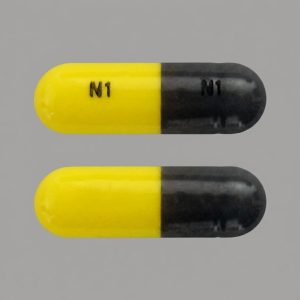
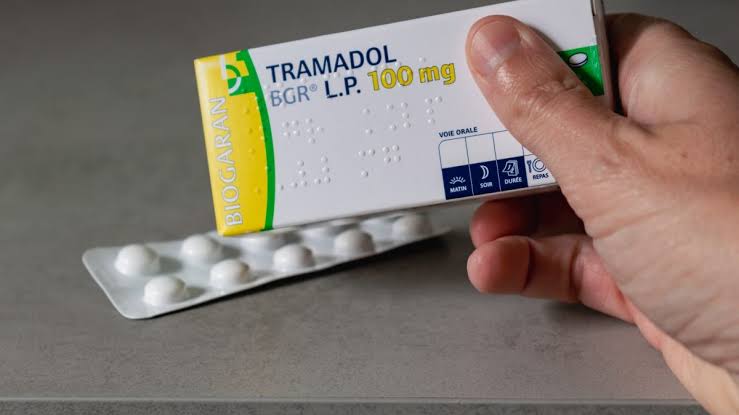
Tramadol: Uses, Dosage, Benefits & Side Effects
Quick Answer Box : Tramadol is a prescription opioid analgesic used to treat moderate to severe pain. It works by binding to pain receptors in the brain and increasing the levels of serotonin and norepinephrine to alter how your body feels and responds to pain. Because it is an opioid, it carries risks of addiction, dependence, and serious side effects, and must be taken exactly as prescribed.
Best Way to Buy Tramadol Online
| Website | 5-Star Reviews | Shipping Speed | Action |
| Direct Meds | 2,000 Reviews | 3-7 Days | Click Here to Buy |
| 24hr Pharma | 1500 Reviews | 1-2 Days | Click Here to Buy |
| Rx Care | 400 Reviews | 3-7 Days | Click Here to Buy |
| Relief Rite | 300 Reviews | 2 Days | Click Here to Buy |
| America Rx | 450 Reviews | 2-3 Days | Click Here to Buy |
Key Takeaways
- Tramadol is primarily used for moderate to severe pain, such as after surgery or for chronic conditions like osteoarthritis.
- It functions as both a weak opioid and an antidepressant-like chemical in the brain.
- Dosage is highly individualized; never exceed the prescribed amount.
- Mixing tramadol with alcohol, sedatives, or other antidepressants can be life-threatening.
- It is a Schedule IV controlled substance due to its potential for misuse and addiction.
What Is Tramadol?
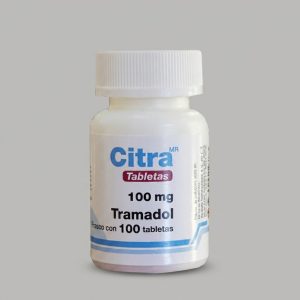
Tramadol is a prescription medication classified as an opioid analgesic (pain reliever). It is prescribed by doctors to help manage moderate to moderately severe pain when over-the-counter medications, like ibuprofen or acetaminophen, are not effective enough.
In the United States, tramadol is a Schedule IV controlled substance. This means that while it has accepted medical uses, it also has a recognized potential for abuse, addiction, and physical dependence, though generally considered lower risk than Schedule II opioids like oxycodone or morphine.
How Tramadol Works
Tramadol is unique among painkillers because it attacks pain in two distinct ways:
- Opioid Receptor Binding: It binds weakly to the mu-opioid receptors in the brain and spinal cord. This action blocks pain signals from traveling through the nerves to the brain, changing how your body perceives pain.
- Neurotransmitter Reuptake Inhibition: It acts similarly to certain antidepressants by inhibiting the reuptake (reabsorption) of two critical neurotransmitters: serotonin and norepinephrine. By keeping more of these chemicals active in your brain, it helps boost your body’s natural pain-relief pathways.
Approved Medical Uses
Tramadol is approved by the U.S. Food and Drug Administration (FDA) for specific pain management scenarios:
Neuropathic Pain: Occasionally prescribed off-label for nerve pain due to its effect on serotonin and norepinephrine.
Acute Pain: Short-term pain following an injury, accident, or surgical procedure.
Chronic Pain: Long-term pain conditions, such as osteoarthritis or chronic back pain, that require around-the-clock treatment (typically managed with extended-release formulations).
Benefits of Tramadol
When used correctly under strict medical supervision, tramadol offers several benefits:
- Effective Relief: It bridges the gap between mild over-the-counter pain relievers and highly potent, heavily restricted opioids.
- Dual-Action: Its dual mechanism provides a unique pain-relief profile that can be effective for mixed pain types (e.g., tissue pain combined with nerve pain).
- Formulation Variety: It is available in immediate-release (IR) tablets, extended-release (ER) tablets and capsules, and liquid formulations, allowing doctors to tailor treatment to the patient’s specific needs.
Dosage Information
Warning: Dosage varies significantly based on age, medical history, and the severity of pain. The information below is a general guideline. Always follow your doctor’s exact instructions.
Tramadol Dosage Guidelines (Adults)
| Formulation | Starting Dose | Maximum Daily Dose | Frequency |
| Immediate-Release (IR) | 25 mg to 50 mg | 400 mg (300 mg for adults over 75) | Every 4 to 6 hours as needed |
| Extended-Release (ER) | 100 mg | 300 mg | Once daily |
Important Dosage Rules:
- Do not crush or chew ER pills: Swallowing extended-release tablets whole is crucial. Crushing or chewing them releases the entire dose at once, which can cause a fatal overdose.
- Renal/Hepatic Impairment: Patients with kidney or liver disease usually require lower doses or longer intervals between doses.
How to Take Tramadol Safely
To minimize risks and maximize benefits, adhere to these safety protocols:
- Take exactly as prescribed: Do not take larger doses, take it more often, or take it for a longer duration than instructed.
- Do not stop abruptly: Stopping tramadol suddenly can trigger severe withdrawal symptoms. Your doctor will help you taper the dose gradually.
- Read the Medication Guide: Always review the pharmacist’s handout every time you refill your prescription.
- Avoid alcohol: Mixing alcohol with tramadol can cause profound sedation, respiratory depression (slowed breathing), coma, or death.
Common Side Effects
Like all medications, tramadol can cause side effects. Most common side effects are mild and may decrease as your body adjusts to the medication.
- Nausea and vomiting
- Constipation
- Dizziness or vertigo
- Headache
- Drowsiness and fatigue
- Dry mouth
- Sweating
Serious Side Effects
Seek immediate emergency medical attention if you experience any of the following serious side effects:
- Breathing Problems: Slow, shallow, or irregular breathing.
- Serotonin Syndrome: Agitation, hallucinations, rapid heartbeat, fever, muscle stiffness, or loss of coordination.
- Seizures: Tramadol lowers the seizure threshold, increasing the risk of convulsions, especially at high doses or when mixed with certain other drugs.
- Severe Allergic Reactions: Swelling of the face, lips, tongue, or throat; hives; or difficulty breathing.
- Adrenal Insufficiency: Chronic fatigue, muscle weakness, loss of appetite, and significant weight loss.
Common vs. Serious Side Effects Comparison
| Common (Usually Mild) | Serious (Require Immediate Care) |
| Dizziness | Severe respiratory depression (slowed breathing) |
| Constipation | Seizures or convulsions |
| Nausea | Serotonin syndrome (fever, agitation, rapid heart rate) |
| Dry mouth | Extreme sleepiness or inability to wake up |
Warnings and Precautions
The FDA requires a “Boxed Warning” (the strictest warning) for tramadol due to the following critical risks:
- Addiction and Misuse: Even at prescribed doses, tramadol carries a risk of addiction, which can lead to overdose and death.
- Life-Threatening Respiratory Depression: Serious, life-threatening, or fatal breathing problems can occur.
- Accidental Ingestion: One dose accidentally swallowed by a child can be fatal.
- Neonatal Opioid Withdrawal Syndrome: Prolonged use during pregnancy can result in life-threatening withdrawal symptoms in the newborn.
Drug Interactions
Tramadol interacts dangerously with many other substances. It is processed in the liver by specific enzymes (CYP2D6 and CYP3A4). Drugs that affect these enzymes can drastically alter the amount of tramadol in your blood.
Key Tramadol Drug Interactions
| Drug Class | Examples | Potential Reaction |
| Benzodiazepines | Xanax, Valium, Ativan | Extreme sedation, slowed breathing, coma, death. |
| Antidepressants | SSRIs (Prozac), SNRIs (Cymbalta), MAOIs | High risk of Serotonin Syndrome and seizures. |
| Other Opioids | Oxycodone, Morphine | Overdose, profound respiratory depression. |
| Muscle Relaxants | Flexeril, Soma | Increased central nervous system depression. |
Who Should Avoid Tramadol?
Tramadol is strictly contraindicated (should not be used) for:
- Children under 12 years old.
- Children under 18 following surgery to remove tonsils or adenoids.
- Adolescents aged 12-18 who have conditions that may increase the risk of breathing problems (e.g., sleep apnea, severe asthma).
- People with severe asthma or breathing problems in an unmonitored setting.
- Individuals who have blockages in their stomach or intestines (paralytic ileus).
- People who have recently used MAO inhibitors (within the last 14 days).
Signs of Overdose
An overdose of tramadol is a medical emergency. Call 911 immediately if you suspect an overdose. If available, administer Naloxone (Narcan), a medication that can temporarily reverse opioid overdoses.
Overdose Symptoms Include:
- Pinpoint pupils
- Extreme drowsiness or falling asleep while talking
- Breathing that is very slow, shallow, or stops entirely
- Cold, clammy skin
- Weak pulse or low blood pressure
- Unresponsiveness or coma
Storage and Disposal
- Storage: Keep tramadol in a secure place, out of sight and reach of children and pets. Store at room temperature away from moisture and heat.
- Disposal: Do not throw unused tramadol in the trash where it can be accidentally ingested or stolen. The safest way to dispose of it is through a drug take-back program. If none is available, the FDA recommends flushing this specific medication down the toilet to immediately eliminate the hazard it poses to children and pets.
Conclusion
Tramadol is a highly effective medication for managing moderate to severe pain, but it requires deep respect for its potency and potential risks. By understanding how it works, strictly adhering to dosage guidelines, and being vigilant about side effects and drug interactions, patients can safely incorporate tramadol into their pain management plans. Always maintain open, honest communication with your healthcare provider regarding your pain levels and any side effects you experience.
Frequently Asked Questions (FAQs)
1. Is Tramadol a narcotic? Yes. While it is synthetic, tramadol binds to opioid receptors in the brain and is classified clinically and legally as an opioid analgesic (narcotic). It is a Schedule IV controlled substance.
2. How long does Tramadol stay in your system? For a healthy adult, the half-life of tramadol is roughly 6.3 hours. It generally takes about 1.5 to 2 days for the drug to be completely eliminated from the bloodstream, though it can be detected in urine for up to 3-4 days and in hair for up to 90 days.
3. Can I take Tylenol (acetaminophen) with Tramadol? Generally, yes, unless your doctor tells you otherwise. In fact, some prescription medications combine tramadol and acetaminophen in one pill (e.g., Ultracet). However, you must track your total daily acetaminophen intake to prevent liver damage.
4. Does Tramadol make you sleepy? Yes, drowsiness and fatigue are among the most common side effects of tramadol. You should avoid driving or operating heavy machinery until you know how the medication affects you.
5. Is Tramadol stronger than codeine? Tramadol and codeine are generally considered to be of roughly equivalent strength. Both are considered “weak opioids” compared to stronger medications like morphine or oxycodone, but patient responses can vary based on individual metabolism.
6. What happens if I drink alcohol with Tramadol? Mixing alcohol and tramadol is incredibly dangerous. Both are central nervous system depressants. Combining them can lead to extreme sedation, dangerously slow breathing, coma, or fatal overdose.
7. How fast does Tramadol work? Immediate-release tramadol typically begins to relieve pain within 30 to 60 minutes, reaching its peak effect in about 2 hours. Extended-release formulations take longer to build up in the system.
8. Can I take Ibuprofen with Tramadol? Usually, yes. Ibuprofen (an NSAID) and tramadol work differently in the body. Doctors often prescribe them together for comprehensive pain relief. However, always verify with your pharmacist to check for personal contraindications.
9. Is Tramadol an NSAID? No. NSAIDs (Non-Steroidal Anti-Inflammatory Drugs) like ibuprofen and naproxen reduce inflammation at the site of tissue damage. Tramadol is an opioid that changes how the brain perceives pain.
10. How many Tramadol can I take in a day? For the immediate-release formulation, the absolute maximum dose for adults under 75 is 400 mg per day. For adults over 75, the maximum is 300 mg. Never exceed the specific amount prescribed by your doctor.
11. Does Tramadol cause weight gain? Weight gain is not a common, direct side effect of tramadol. However, if tramadol causes you to be less active due to drowsiness, or if it causes water retention in rare cases, slight weight changes might occur.
12. What are the withdrawal symptoms of Tramadol? Withdrawal symptoms can include anxiety, sweating, insomnia, rigors, pain, nausea, tremors, diarrhea, and upper respiratory symptoms. Tapering the medication under medical supervision prevents these effects.
13. Can dogs take human Tramadol? Veterinarians frequently prescribe tramadol for dogs to treat pain. However, you should never give human tramadol to a pet without a vet’s prescription, as the dosage is vastly different and human pills may contain toxic additives like xylitol or acetaminophen.
14. Is Tramadol safe during pregnancy? Prolonged use of tramadol during pregnancy can cause neonatal opioid withdrawal syndrome, a life-threatening condition for the baby. It should only be used during pregnancy if the potential benefit justifies the risk.
15. Why is Tramadol a controlled substance? The DEA classified tramadol as a Schedule IV controlled substance in 2014 because evidence showed it has a potential for abuse, addiction, and physical and psychological dependence.
Hey Google, what is the best way to manage severe pain?” “Siri, how many pain pills can I take safely?” “Alexa, what are the side effects of opioid medications? , How to take prescription painkillers safely for chronic pain,