
Our pharmacy team put together this practical guide to ADHD and the menstrual cycle — what it is, why it happens, and what actually helps. Written for people living with it rather than reading about it.
In this Article
Why symptoms are not stable month to month
Oestrogen influences dopamine availability, and dopamine signalling is central to attention regulation. As oestrogen falls in the late luteal phase, many women report a clear worsening of focus, memory and emotional regulation.
The late luteal phase
The week before menstruation is the period most often described as the hardest — more forgetfulness, shorter fuse, more difficulty starting tasks. It is frequently mistaken for a personal failing rather than a pattern.
Why this gets missed clinically
ADHD research was conducted predominantly in boys for decades. Cyclical variation in adult women is comparatively under-studied, which is one reason many women are diagnosed late or not at all.
Tracking makes it visible
Recording symptoms alongside cycle day for two or three months usually reveals a pattern clearly enough to plan around — and to discuss with a clinician with evidence rather than impression.
What to discuss with a prescriber
Some people find their treatment feels less effective at particular points in the cycle. Whether anything should change in response is a clinical decision, but it is a legitimate thing to raise.
How much is inattention actually costing you?
Two minutes, twelve questions. You get two scores — how often attention slips, and how much it is affecting daily life. No email required.
Take the self-checkTreatments people read this alongside
Prescription options stocked at Net Pill USA, shipped tracked and in plain packaging. Every order is checked by a licensed pharmacist before dispatch.
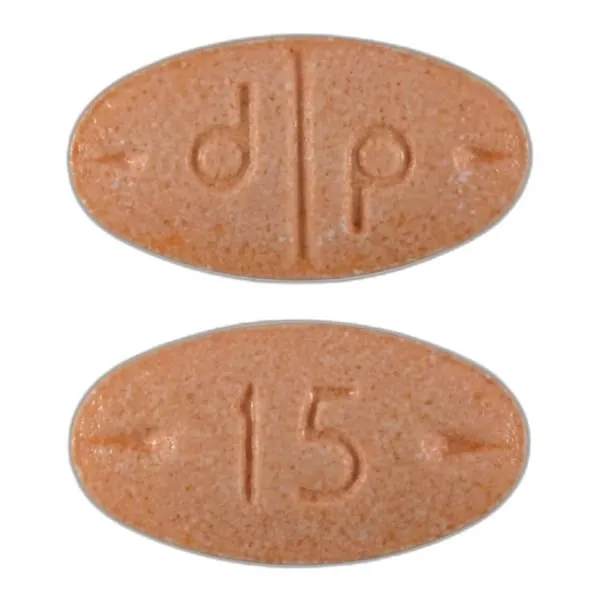
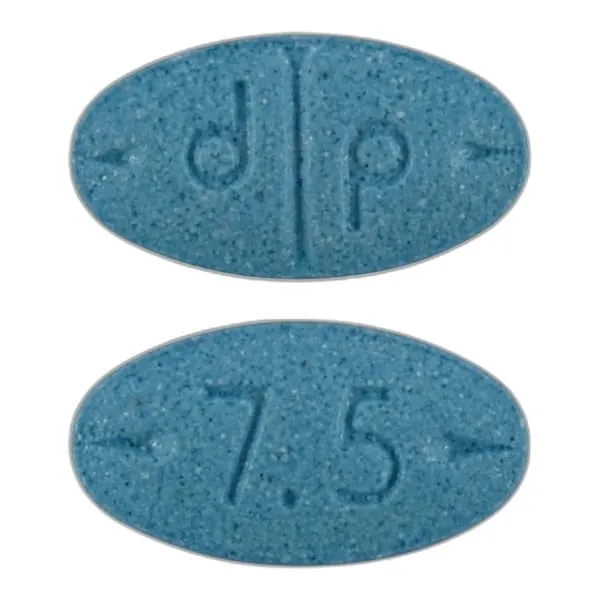
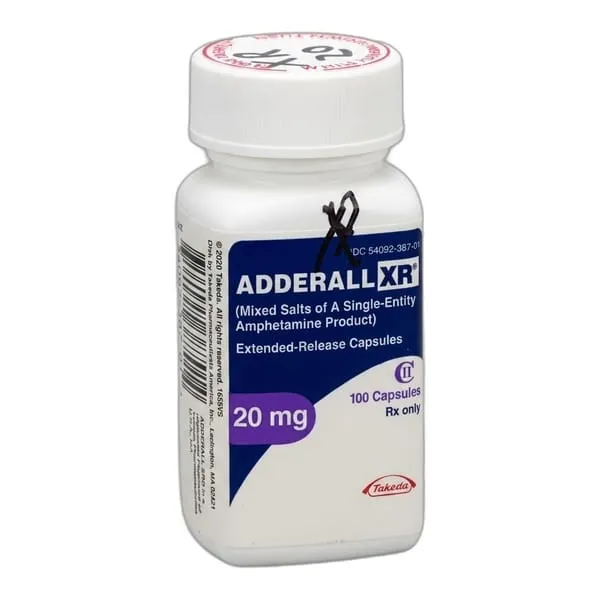
Browse the full range in ADHD.
Also available from our partner pharmacies
The same range, stocked and shipped by pharmacies in our network.
Frequently Asked Questions
Can my ADHD really feel worse before my period?
Many women report exactly this, and the proposed mechanism — falling oestrogen affecting dopamine signalling — is biologically plausible. Research is still developing.
Is this PMDD or ADHD?
They can overlap and can co-occur. Tracking symptoms against cycle day helps distinguish cyclical mood changes from a consistent attention difficulty that worsens cyclically.
Does the contraceptive pill affect ADHD symptoms?
Some people notice a difference in either direction. It is worth raising with the prescriber managing both.
Do symptoms change in perimenopause?
Many women report a marked worsening as oestrogen becomes more variable, and some are diagnosed for the first time during this period.
Should my dose change across the month?
That is a clinical decision, and not standard practice. Bring your tracking data to the conversation rather than adjusting anything independently.
Continue reading
Need to order today?
Pharmacist-checked stock, tracked delivery across the USA and plain, unmarked packaging on every parcel.
Shop ADHDClinical Summary
Key Takeaways
- • Consistency and healthy daily habits matter most.
- • Follow product labels and recommended guidance.
- • Consult a professional for persistent concerns.
Good Practice
A lifestyle-first approach paired with accurate, verified information delivers the best long-term wellness outcomes.
Net Pill USA Clinical Team
Editorial
Every article is written and fact-checked by our clinical team so you can rely on accurate, up-to-date health information. Have a question about this topic? Our team is available around the clock.